Introduction to PE Wax and Its Texture
Polyethylene (PE) wax is a versatile synthetic wax widely used in various industrial applications. Its texture characteristics significantly influence its performance, processing, and final product properties. Understanding
PE Wax Texture Characteristics is critical for manufacturers aiming to optimize the material for coatings, adhesives, plastics, and other uses. Texture here relates to physical consistency, particle size, surface feel, and flow behavior, each impacting application outcomes.
Particle Size Distribution and Texture Impact
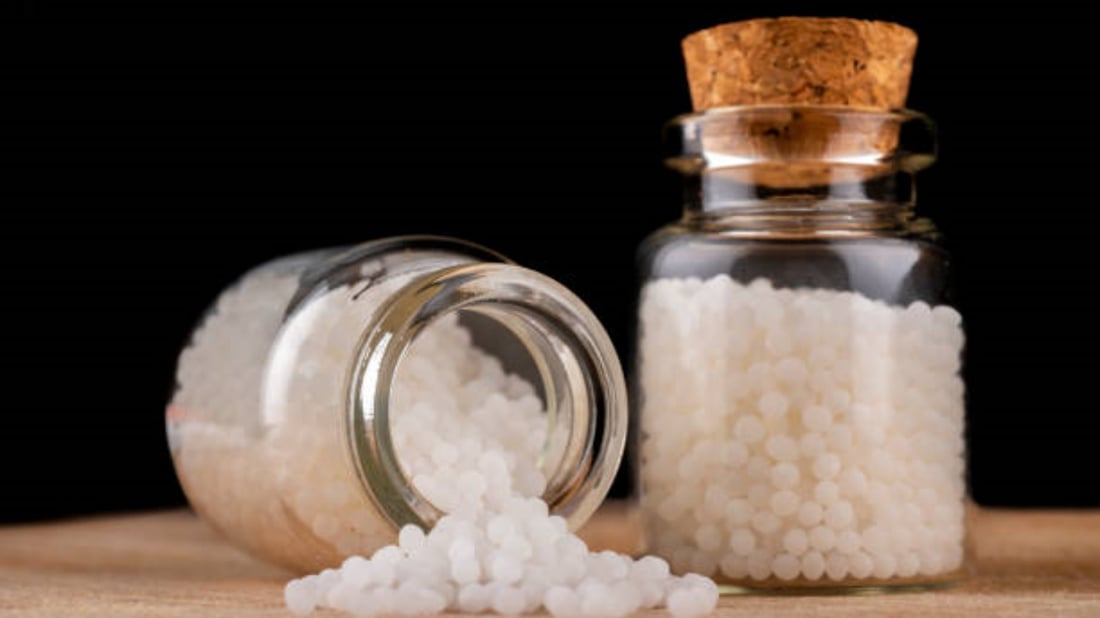
The particle size distribution of PE wax is a primary determinant of its texture characteristics. Fine particle sizes yield smoother textures, while coarser particles result in rougher finishes. This distribution influences dispersion, melting behavior, and compatibility with polymers. Adjusting particle size during production allows customization of texture to suit specific end-use requirements.
Surface Morphology and Its Role in Texture
Surface morphology defines the microstructural texture of PE wax. SEM (Scanning Electron Microscope) images reveal variations from smooth, spherical granules to irregular, crystalline structures. These surface features affect wax’s tactile properties and its interaction with additives and substrates. A smoother morphology often promotes better flow and coating uniformity.
Melting Point and Texture Relationship
PE wax texture characteristics are strongly correlated with their melting points. A higher melting point typically corresponds to a firmer, harder texture at room temperature, while lower melting points produce softer waxes. Selecting PE wax with an appropriate melting point ensures the desired hardness and flexibility needed for various industrial uses.
Viscosity and Flow Behavior in Melted State
Texture characteristics extend into the melted phase, where viscosity plays a critical role. PE waxes with lower viscosity flow more readily and produce smoother textures when applied as coatings or additives. Variations in molecular weight and branching influence viscosity, which in turn impacts spreading and leveling capabilities in processes.
Compatibility with Polymers and Texture Modification
Compatibility between PE wax and polymers affects the texture of compound mixtures. When well-matched, the wax enhances surface smoothness and reduces friction. Poor compatibility can result in phase separation and uneven texture. Manufacturers often modify PE wax texture characteristics by blending with other waxes or additives to improve performance in polymer matrices.
Hardness and Mechanical Texture Properties
Hardness is an integral aspect of PE wax texture characteristics, influencing durability and tactile perception. Measuring hardness using techniques like needle penetration or durometry helps determine wax suitability for applications requiring specific mechanical properties—such as in molding or surface protection.
Impact of Crystallinity on Texture Characteristics
The degree of crystallinity in PE wax directly affects texture. Highly crystalline waxes tend to be harder, more brittle, and exhibit a rougher texture. Amorphous wax fractions contribute to softness and enhanced flexibility. By controlling crystallinity during synthesis, manufacturers tailor texture characteristics to meet precise functional demands.
Thermal Stability and Texture Consistency
Thermal stability is essential in maintaining PE wax texture characteristics during processing and end-use. Stable waxes retain their texture without degradation under heat, ensuring consistent surface feel and protective qualities. Unsuitable thermal behavior can lead to texture loss and compromised product quality.
Applications Driven by PE Wax Texture Characteristics
Understanding PE wax texture characteristics enables optimized use in diverse applications such as hot melt adhesives, inks, rubber processing, and metalworking. For instance, smoother wax textures facilitate gloss and surface uniformity in coatings, while harder textures enhance mechanical resistance. Tailoring texture attributes allows product developers to meet stringent industry requirements effectively.
Quote Inquiry
contact us