Understanding the Chemical Composition of PE Wax
Polyethylene (PE) wax is a low molecular weight polymer derived from the polyethylene family, characterized by its unique chemical composition. Its molecular structure predominantly consists of long chains of ethylene monomers, which collectively impart hydrophobic and chemically inert properties. This composition affects its melting point, hardness, and compatibility with other materials, making PE wax valuable in various industrial applications.
Thermal Properties of PE Wax
PE wax possesses distinct thermal properties, particularly its melting point range, which typically falls between 90°C and 130°C. This melting range allows it to soften and flow under moderate heat, making it an ideal candidate for use as a processing aid in plastics and rubbers. Its thermal stability ensures it maintains integrity without significant degradation in most manufacturing processes.
Physical Appearance and Texture
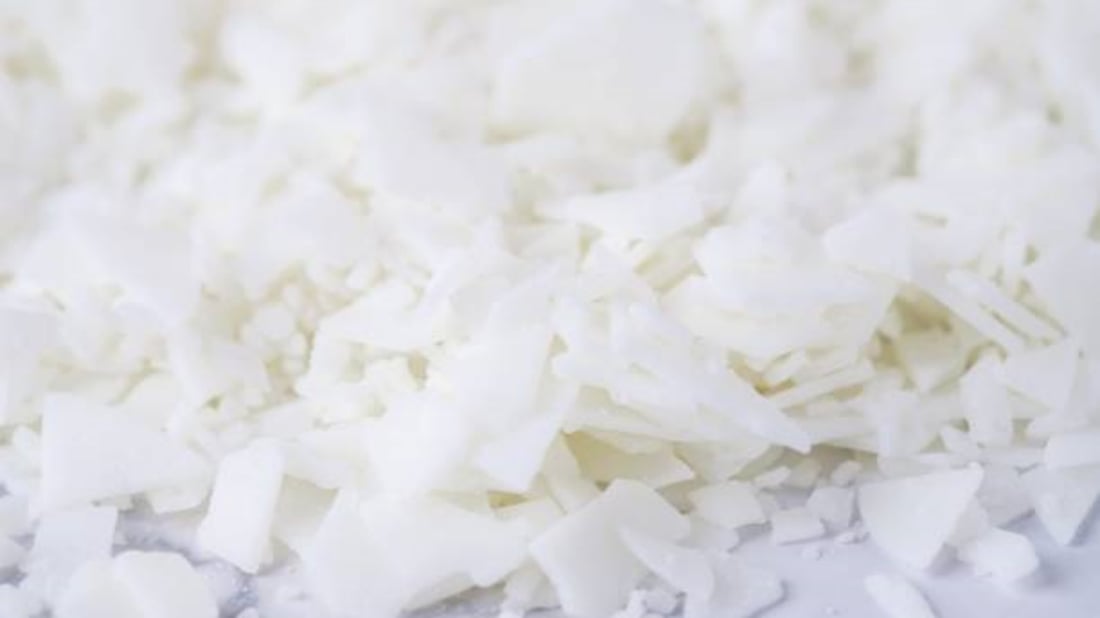
In its pure form, PE wax usually appears as a white or pale yellow solid with a smooth, waxy texture. Its particle size and hardness can vary depending on production methods, which influences how the wax is handled and incorporated into different formulations. The hardness of PE wax makes it effective as a lubricant and dispersant in various applications.
Mechanical Properties and Flexibility
The mechanical strength and flexibility of PE wax play a vital role in its performance. While the wax itself is relatively hard compared to other waxes, it offers sufficient flexibility to prevent cracking when used in coatings and films. These properties enhance its dispersing capability and improve surface protection in polymer blends.
Compatibility and Blendability with Polymers
One of the most crucial
PE Wax Properties is its compatibility with a wide range of polymers, notably polyethylene, polypropylene, and rubber. This enables it to act as a processing aid, improving flow characteristics during extrusion and molding. Proper blending of PE wax with base polymers reduces friction and enhances the surface finish of the end product.
Hydrophobic and Barrier Characteristics
Due to its molecular structure, PE wax demonstrates excellent hydrophobic properties, effectively repelling water and moisture. This makes it suitable for use in coatings and packaging materials where moisture resistance is essential. Its barrier properties contribute to extending product shelf life and maintaining material integrity under humid conditions.
Electrical Insulation Properties
PE wax serves as an effective electrical insulator because of its non-polar, inert chemical nature. Its insulating quality makes it a useful additive in cable coatings and electronic components, where it protects against electrical discharge and improves material durability under electrical stress.
Environmental and Safety Aspects
The inertness and low toxicity of PE wax contribute to its favorable environmental and safety profile. It is considered non-toxic and safe for use in applications involving food packaging and cosmetics. Additionally, PE wax is biodegradable under specific conditions, which is increasingly important for sustainable product development.
Processing Techniques Influencing PE Wax Properties
The properties of PE wax can be tailored through various processing techniques such as catalytic polymerization, thermal cracking, and blending. These methods influence molecular weight, branching, and crystallinity, all of which determine the wax’s hardness, melting point, and compatibility. Manufacturers optimize these processing parameters to customize PE wax for targeted industrial uses.
Applications Driven by PE Wax Properties
The versatile properties of PE wax make it invaluable across many sectors, including plastics, rubber, paints, adhesives, and printing inks. Its use enhances lubrication, dispersing ability, and surface smoothness. Understanding PE wax properties enables industries to select appropriate wax grades that provide better performance, cost-efficiency, and product quality.
Quote Inquiry
contact us