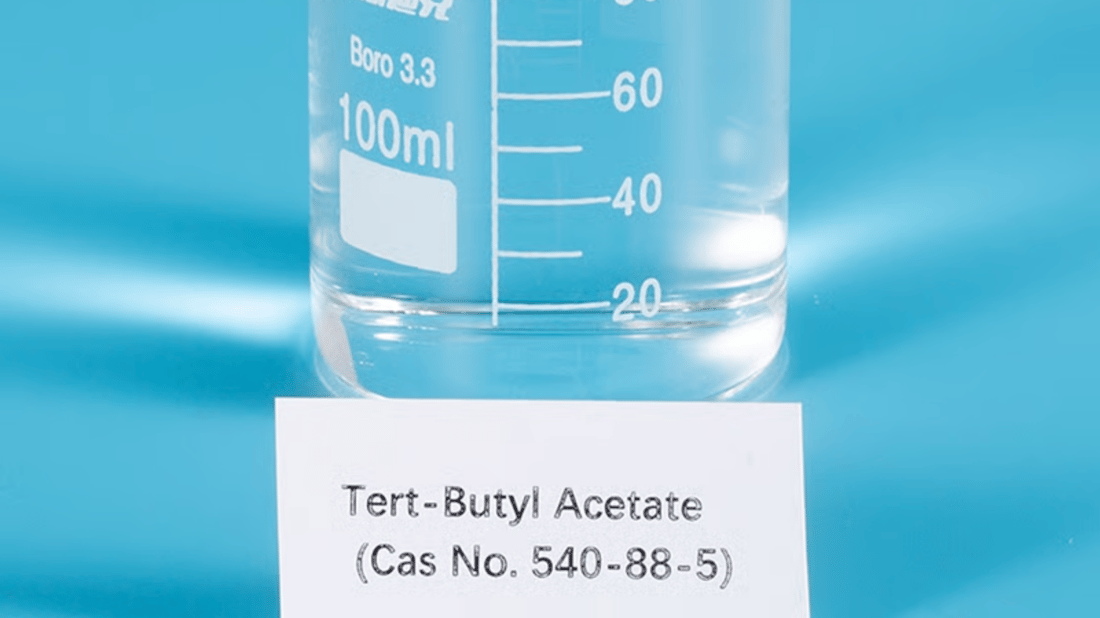
Chemical Identity and Structure of Tert-Butyl Acetate (Cas No. 540-88-5)
Tert-butyl acetate (Cas No. 540-88-5) is an organic ester derived from acetic acid and tert-butyl alcohol. Its molecular formula is C6H12O2, and it is characterized by a bulky tert-butyl group attached to the acetate moiety. This structural arrangement influences its physical and chemical properties, setting it apart from other acetate esters. It typically appears as a colorless liquid with a pleasant fruity odor, making it readily identifiable in industrial and laboratory settings.
Physical and Chemical Properties of Tert-Butyl Acetate (Cas No. 540-88-5)
Tert-butyl acetate exhibits a boiling point around 97-99°C and a density close to 0.87 g/mL at 20°C. It is moderately soluble in water but highly soluble in organic solvents such as ethanol, acetone, and hydrocarbons. The compound is relatively volatile and flammable, with a flash point near -4°C. Its low water solubility and high vapor pressure make it useful in various solvent applications.
Industrial Applications and Uses in Formulations
Widely used as a solvent, tert-butyl acetate (Cas No. 540-88-5) serves essential roles in paints, coatings, adhesives, and inks due to its excellent solvency power and quick evaporation rate. It contributes to formulations requiring fast drying times and reduced environmental impact. Its ability to dissolve resins and polymers effectively makes it indispensable in manufacturing varnishes and lacquers.
Role in Environmentally Friendly Solvent Alternatives
Tert-butyl acetate is gaining traction as an eco-friendlier alternative to traditional solvents like toluene and xylene. It has a lower toxicity profile and contributes less to photochemical smog formation because of its lower volatile organic compound (VOC) content. Its biodegradability and reduced environmental persistence qualify it as a “green” solvent within the chemical industry.
Safety Profile and Handling Considerations
Though tert-butyl acetate is generally considered to have low toxicity, appropriate safety measures are necessary during handling. It can cause irritation to eyes, skin, and respiratory tract upon exposure, and due to its flammability, it requires storage away from heat and ignition sources. Proper ventilation and personal protective equipment are recommended to minimize occupational risks.
Production Methods and Raw Materials
The synthesis of tert-butyl acetate typically involves the esterification of acetic acid with tert-butyl alcohol in the presence of an acid catalyst. Alternative methods include catalytic vapor-phase processes that help increase yields and reduce by-products. High purity starting materials and optimized reaction conditions are vital for obtaining commercial-grade tert-butyl acetate with minimal impurities.
Comparison with Other Acetate Esters
Compared to ethyl acetate and butyl acetate, tert-butyl acetate offers a faster evaporation rate and a more pleasant odor. Its higher branching in the alkyl group reduces polarity and water miscibility. These characteristics make it a preferred solvent for applications demanding rapid drying without compromising solvency or handling safety.
Environmental Fate and Biodegradability
Upon release into the environment, tert-butyl acetate undergoes rapid biodegradation facilitated by microbial action in soil and water. It has a low potential for bioaccumulation, and its atmospheric half-life is relatively short due to photochemical breakdown. These attributes reduce long-term environmental risks, making it suitable for applications with regulatory scrutiny on solvent emissions.
Regulatory Status and Compliance Factors
Tert-butyl acetate (Cas No. 540-88-5) is regulated under various chemical safety and environmental frameworks globally. It often appears in lists governing VOC limits in paints and coatings. Manufacturers and users must comply with occupational exposure limits and local environmental standards, ensuring that workplace concentrations and emissions remain within permissible bounds.
Future Trends and Innovations Involving Tert-Butyl Acetate
Ongoing research focuses on expanding the use of tert-butyl acetate in green chemistry and sustainable manufacturing. Innovations include incorporation in bio-based solvent blends and improved catalyst systems to enhance production efficiency. Its potential role in replacing more hazardous solvents in pharmaceutical and agricultural formulations underscores its growing industrial relevance.
Quote Inquiry
contact us