Chemical Identity and Basic Properties
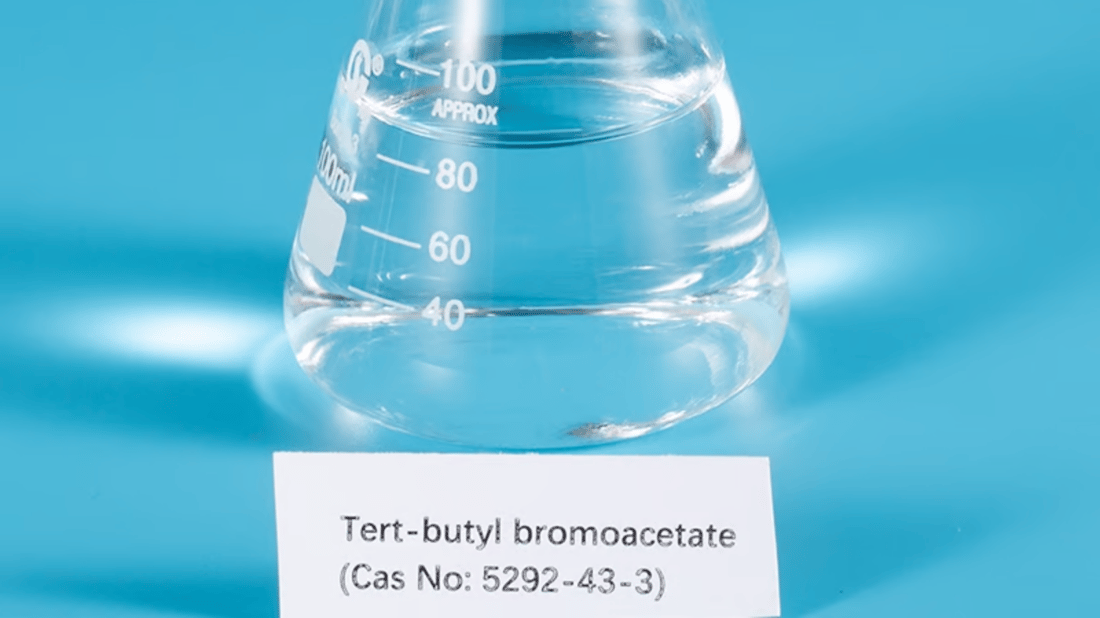
Tert-butyl bromoacetate (Cas No: 5292-43-3) is a well-defined organic compound commonly used in chemical synthesis. It has a molecular formula of C6H11BrO2 and features a tert-butyl ester functional group attached to a bromoacetate moiety. The compound typically appears as a colorless to pale yellow liquid, with moderate volatility and stability under normal laboratory conditions. These fundamental properties make it suitable for various synthetic applications, especially where bromoacetate intermediates are required.
Synthesis and Production Methods
The synthesis of tert-butyl bromoacetate (Cas No: 5292-43-3) commonly involves the esterification of bromoacetic acid and tert-butanol under acidic conditions. Alternatively, reaction pathways utilizing bromination of tert-butyl acetate can also yield this compound. Optimized production methods focus on achieving high purity and yield while minimizing side reactions, particularly because the bromo substituent is highly reactive and requires controlled handling. Industrially, careful reaction monitoring and purification techniques ensure the compound’s quality for downstream applications.
Applications in Organic Synthesis
Tert-butyl bromoacetate (Cas No: 5292-43-3) is a versatile reagent in organic chemistry. It serves as an alkylating agent in the synthesis of more complex molecules, especially in the preparation of esters, amides, and heterocyclic compounds. The presence of the bromo group facilitates nucleophilic substitution reactions, enabling researchers to introduce functional groups in a controlled manner. This property makes it valuable in medicinal chemistry as a building block for drug candidate molecules.
Role in Pharmaceutical Development
In pharmaceutical research, tert-butyl bromoacetate (Cas No: 5292-43-3) functions as a strategic intermediate. Its use in the synthesis of prodrugs, particularly those requiring a protected carboxyl group, is well-documented. The tert-butyl ester can be selectively removed to liberate the active acid at a later stage, contributing to improved drug solubility and bioavailability. This makes the compound a critical component in the development of therapeutic agents with enhanced pharmacokinetic profiles.
Catalytic and Polymer Chemistry Uses
Beyond pharmaceuticals, tert-butyl bromoacetate (Cas No: 5292-43-3) finds utility in polymer chemistry. It is used as a chain-transfer agent or functionalizing reagent in the controlled synthesis of polymers, allowing the introduction of specific end groups. This enables the preparation of polymers with tailored properties for applications ranging from coatings to biomedical devices. Additionally, its reactivity supports modification of polymer backbones through substitution reactions.
Toxicological Profile and Safety Precautions
When handling tert-butyl bromoacetate (Cas No: 5292-43-3), strict safety measures are essential due to its potential toxicity and irritant properties. The compound can cause skin and eye irritation and may be harmful if inhaled or ingested. Adequate personal protective equipment (PPE) such as gloves, goggles, and fume hoods are necessary during laboratory use. Understanding its toxicological profile is crucial for minimizing exposure risks and ensuring safe industrial and research applications.
Storage and Stability Considerations
Proper storage conditions are vital to maintaining the stability of tert-butyl bromoacetate (Cas No: 5292-43-3). The compound should be stored in tightly sealed containers, away from moisture and light sources, typically at low temperatures to prevent decomposition or hydrolysis. Exposure to heat or strong bases can trigger degradation or rapid reactions with hazardous byproducts. Adhering to recommended guidelines extends the material’s shelf life and preserves its reactive integrity.
Analytical Techniques for Identification and Purity
Accurate analysis of tert-butyl bromoacetate (Cas No: 5292-43-3) involves methods such as gas chromatography (GC), nuclear magnetic resonance (NMR) spectroscopy, and mass spectrometry (MS). These techniques help confirm the compound's chemical structure and assess purity levels critical for research and industrial processes. High-performance liquid chromatography (HPLC) is also employed where finer separation and quantification of impurities are necessary. Quality control through these methods ensures reproducibility and reliability in subsequent synthetic applications.
Environmental Impact and Disposal Guidelines
The environmental impact of tert-butyl bromoacetate (Cas No: 5292-43-3) is a consideration in industrial usage. Due to the presence of bromine, improper disposal may lead to environmental contamination. Waste containing this chemical should be treated as hazardous, following local regulations on chemical waste disposal. Biodegradation studies suggest limited breakdown in natural environments, reinforcing the need for responsible handling and disposal procedures to minimize ecological harm.
Market Availability and Supplier Information
Tert-butyl bromoacetate (Cas No: 5292-43-3) is commercially available from various specialty chemical suppliers worldwide. It is offered in different purities and quantities to accommodate both research-scale and industrial demands. Pricing is influenced by purity grade, packaging size, and vendor. Reliable suppliers often provide material safety data sheets (MSDS) and technical support to facilitate appropriate use in complex organic syntheses and related fields.
Quote Inquiry
contact us