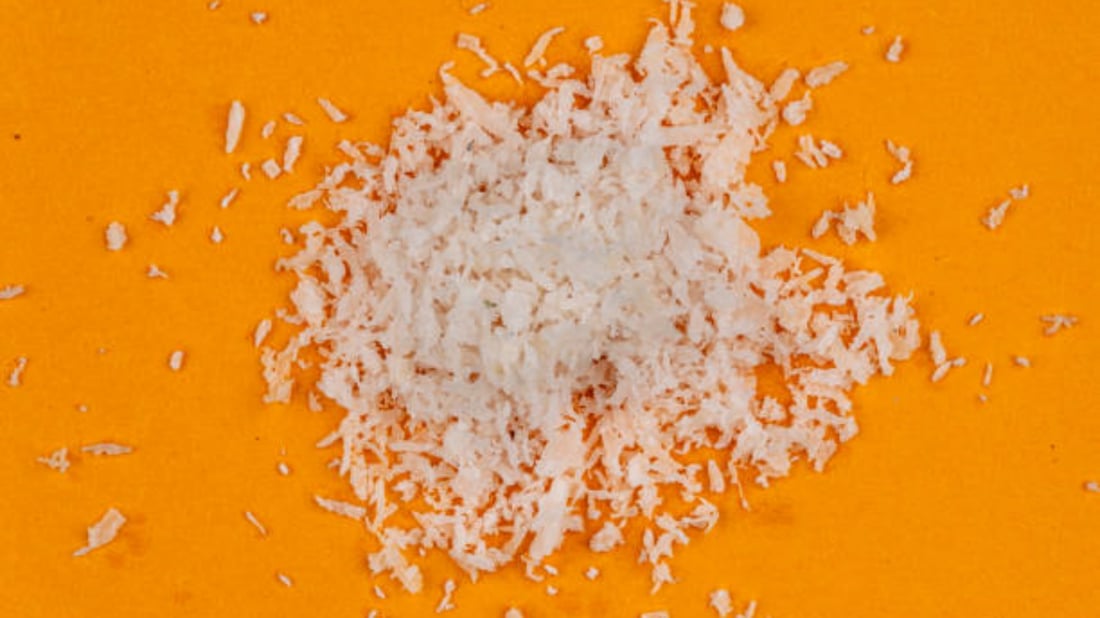
Polyethylene (PE) wax is a versatile material widely used in industries such as coatings, plastics, adhesives, and cosmetics. Understanding PE wax melting techniques is crucial for manufacturers and formulators seeking consistent performance and high-quality end products. Proper melting ensures the wax maintains its desired physical and chemical properties, enabling smooth integration with other compounds.
Importance of Controlled Temperature in PE Wax Melting
Temperature control plays a vital role in effective PE wax melting techniques. Excessive heat can degrade the wax, altering its molecular structure and compromising performance. Conversely, insufficient heat may lead to incomplete melting and improper blending. Employing precise temperature regulation around the wax’s melting point (typically between 110°C and 130°C) helps maintain wax integrity and enhances process efficiency.
Equipment Selection for Melting PE Wax
The choice of melting equipment significantly impacts the effectiveness of PE wax melting techniques. Common options include jacketed kettles, thermal oil baths, and microwave melting systems. Each offers distinct advantages depending on batch size, application, and production scale. Jacketed kettles provide uniform heat distribution, while microwave systems offer rapid and energy-efficient melting.
Batch vs Continuous Melting Methods
PE wax can be melted using either batch or continuous processes, each suited to different production demands. Batch melting offers flexibility for small scale or formulation variations, while continuous systems provide consistent quality and higher throughput, ideal for large-scale manufacturing. Understanding the benefits and limitations of each method is essential in selecting the appropriate melting technique.
Role of Agitation in PE Wax Melting
Incorporating agitation during the melting process is a key aspect of PE wax melting techniques. Agitation promotes uniform heat distribution, prevents localized overheating, and facilitates the homogeneous mixing of wax with additives or other components. Choosing the right agitation speed and type—such as paddle or propeller mixers—affects the final product’s consistency and quality.
Impact of Cooling Rate on PE Wax Solidification
After melting, the cooling phase significantly influences PE wax characteristics. Controlled cooling rates prevent internal stresses and crystallization defects. Slow cooling tends to yield a higher degree of crystallinity, enhancing hardness and melting point, whereas rapid cooling produces a more amorphous, flexible wax structure. Mastering the cooling process is integral within PE wax melting techniques.
Safety Considerations in Handling Molten PE Wax
Safety protocols cannot be overlooked when implementing PE wax melting techniques. Molten wax poses burn hazards, and vapors generated may require proper ventilation. Utilizing personal protective equipment (PPE) such as heat-resistant gloves and face shields, along with installing emergency shutoff systems, is essential for worker safety during melting operations.
Common Challenges in PE Wax Melting and How to Overcome Them
Various challenges may arise during PE wax melting, including wax scorching, inconsistent melting, and equipment fouling. Preventing oxidation by limiting exposure to air and maintaining clean equipment are fundamental solutions. Adjusting temperature profiles and ensuring adequate agitation can also mitigate these issues, leading to a more robust melting process.
Innovations in PE Wax Melting Techniques
Recent technological advancements have introduced innovative PE wax melting techniques that improve efficiency and reduce energy consumption. Ultrasonic-assisted melting, induction heating, and microwave technology represent cutting-edge methods. These innovations enhance heat transfer rates and reduce processing times, aligning with sustainability goals while maintaining product quality.
Optimizing PE Wax Melting for Specific Applications
Tailoring PE wax melting techniques based on intended applications is pivotal. For instance, wax used in cosmetic formulations demands ultra-pure melting methods to prevent contamination, whereas industrial coatings may prioritize throughput and consistency. Understanding the end-use requirements guides process adjustments to optimize wax properties like hardness, gloss, and dispersibility.
Quote Inquiry
contact us