Understanding PE Wax: Definition and Characteristics
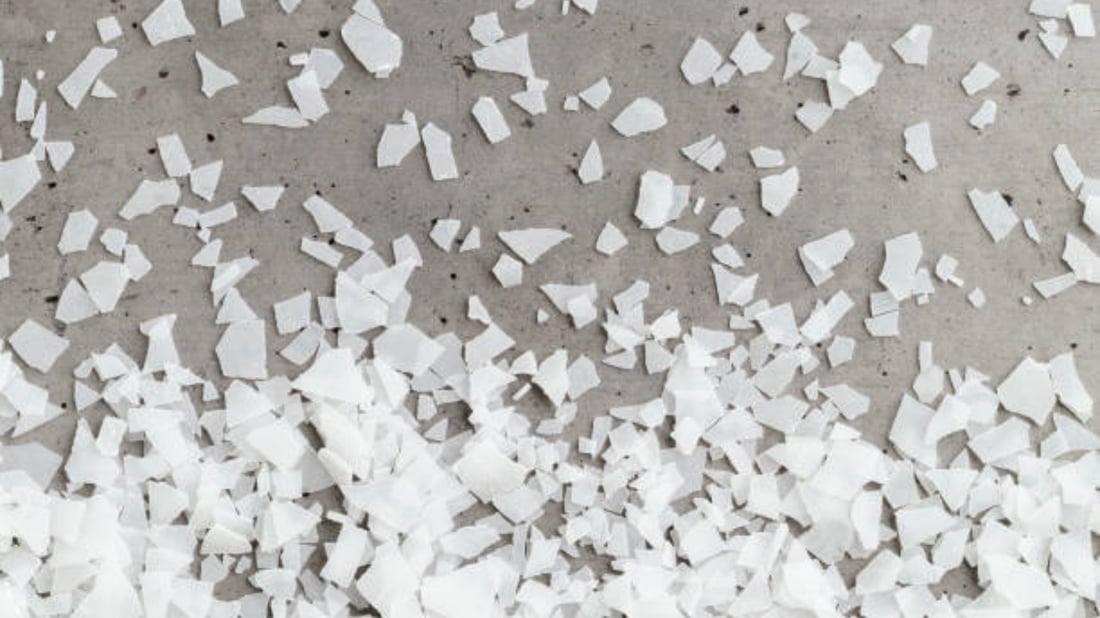
Polyethylene (PE) wax is a low molecular weight polymer derived from polyethylene resins. It exhibits excellent lubricating, dispersing, and binding properties, making it indispensable in various industrial applications. Its compatibility with other materials influences product performance significantly. This
PE Wax Compatibility Guide provides essential knowledge on blending PE wax with diverse substrates effectively.
Types of PE Wax and Their Influence on Compatibility
PE waxes come in several types such as low-density (LDPE), high-density (HDPE), and oxidized PE waxes. Each type differs in molecular weight, melting point, and polarity, factors that directly affect compatibility. For instance, oxidized PE waxes have polar functional groups which enhance miscibility with polar polymers, while non-oxidized types suit non-polar matrices better. Understanding wax type is crucial in establishing a successful PE wax compatibility strategy.
Compatibility with Polyolefin Polymers
PE wax exhibits excellent compatibility with polyolefins like polyethylene and polypropylene due to similar chemical structures. This compatibility improves processing efficiency, surface smoothness, and mechanical properties in products such as films, fibers, and molded items. The PE Wax Compatibility Guide recommends selecting wax grades that closely match the polymer matrix to achieve optimal dispersion and adhesion.
PE Wax in PVC Compounds: Balancing Performance
In PVC formulations, PE wax serves as a lubricant and processing aid but must be carefully selected to avoid phase separation or incompatibility. Oxidized PE wax, due to its polar nature, typically shows better fusion with PVC, enhancing surface quality and equipment release. This guide emphasizes the importance of testing PE wax grades for PVC to maintain product uniformity and process stability.
Effect of Molecular Weight on PE Wax Compatibility
Molecular weight influences PE wax's melting point, viscosity, and solubility parameters, all critical to compatibility. Lower molecular weight waxes tend to have better flow but may cause blooming or surface migration, while higher molecular weight variants offer better mechanical integration but can affect processability. The PE Wax Compatibility Guide highlights choosing the right molecular weight to balance these effects for target applications.
Role of Additives in Enhancing Compatibility
Additives such as dispersants, coupling agents, or surfactants can significantly improve PE wax compatibility with challenging polymers or composites. These agents modify interfacial energies, enabling better dispersion and adhesion. The guide provides detailed advice on compatible additives suitable to extend the functionality of PE wax in complex formulations.
Compatibility Challenges with Polar Polymers and Solutions
While PE wax is inherently non-polar, its interaction with polar polymers like polyamide or polyester can be limited, leading to phase separation or reduced performance. Incorporating modified PE waxes with functional groups or employing compatibilizers are key strategies outlined in the PE Wax Compatibility Guide to overcome these hurdles and expand application scopes.
Effect of Processing Conditions on PE Wax Compatibility
Temperature, shear rate, and mixing time during manufacturing affect the dispersion and interaction of PE wax with other components. Inappropriate processing may lead to wax agglomeration or poor wetting, undermining product properties. This guide stresses optimizing processing parameters in conjunction with wax selection to maximize compatibility and ensure stable performance.
Applications Benefiting from Optimized PE Wax Compatibility
Industries such as coatings, adhesives, plastics compounding, and masterbatch production benefit immensely from understanding PE wax compatibility. Properly matched waxes improve gloss, surface slip, anti-blocking, and flow properties. This PE Wax Compatibility Guide illustrates case studies demonstrating efficiency gains and quality improvements across these sectors.
Future Trends and Innovations in PE Wax Compatibility
Ongoing research focuses on sustainable and bio-based PE wax alternatives with enhanced compatibility profiles. Nanotechnology and hybrid additives are shaping the future of wax-polymer interactions, enabling superior multifunctional materials. The PE Wax Compatibility Guide concludes by highlighting these trends and their potential to redefine material performance benchmarks.
Quote Inquiry
contact us