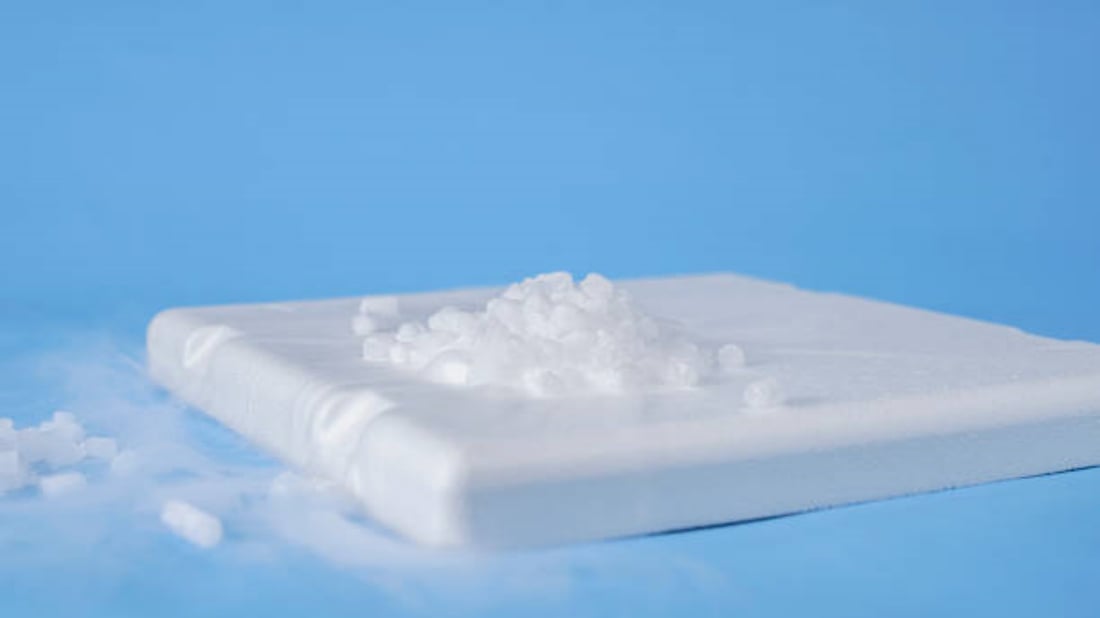
Introduction to PE Wax in the Plastics Industry
Polyethylene (PE) wax is a finely crafted product derived from the polymerization of ethylene. It plays a vital role in the plastics industry due to its unique chemical and physical properties. This wax is widely utilized to improve processing, enhance mechanical characteristics, and add specialized features to various plastic formulations. Understanding the multiple
PE Wax Uses in Plastics helps manufacturers optimize performance and meet specific application requirements.
Improving Processability of Plastic Materials
One of the primary PE wax uses in plastics is enhancing the flowability and processing efficiency of polymers. By acting as a dispersing and lubricating agent, PE wax reduces friction between polymer chains and processing equipment surfaces. This facilitation allows smoother extrusion, injection molding, and calendaring operations, ultimately leading to higher productivity and lower energy consumption during manufacturing.
Surface Lubrication for Better Mold Release
A critical challenge in plastic molding is releasing the finished product from molds without damaging its surface. PE wax serves as an internal lubricant that migrates to the interface, creating a low-friction layer. This lubrication effect eases demolding, reduces cycle times, and minimizes defects such as surface blemishes or scratches. Its compatibility with polyethylene and other polyolefins makes PE wax an especially effective mold release agent.
Enhancement of Surface Gloss and Appearance
PE wax is instrumental in improving the aesthetic quality of plastic products. When incorporated into film and sheet formulations, it contributes to a higher surface gloss and a smoother finish. This property is highly valued in packaging materials, consumer goods, and automotive components where visual appeal is critical. The wax imparts consistency and uniformity, elevating the perceived value of the final product.
Impact on Mechanical Strength and Durability
In addition to processing benefits, PE wax positively affects the mechanical properties of plastics. It can increase tensile strength and impact resistance by facilitating better polymer chain orientation during molding. Some formulations benefit from enhanced flexibility and resistance to environmental stress cracking, prolonging the lifespan of goods made from these materials.
Role as an Anti-Blocking Agent in Plastic Films
Blocking, or sticking, between layers of plastic films is a common production issue. PE wax acts as an effective anti-blocking agent by creating a micro-textured surface that prevents film layers from adhering. This property maintains the integrity and usability of films used in packaging, agriculture, and industrial applications, ensuring smooth unwinding and handling processes.
Compatibility with Various Polyolefins
PE wax is chemically compatible with a broad range of polyolefins such as polyethylene (PE), polypropylene (PP), and ethylene vinyl acetate (EVA). This compatibility facilitates its diverse applications within the plastic sector. It can be blended seamlessly to tailor material properties like hardness, melting point, and crystallinity, providing formulators with a versatile additive option.
PE Wax as a Slip Agent to Reduce Surface Friction
To improve handling and processing, PE wax is widely used as a slip agent that reduces surface friction in plastic films and molded parts. Lower friction helps prevent scratching, abrasion, and static build-up, which can damage products and hinder manufacturing lines. This slip property is essential in the packaging industry, where films require smooth feeding in automated machinery.
Contribution to Environmental Stability and UV Resistance
Certain grades of PE wax help enhance the environmental durability of plastics. By forming a protective surface layer, these waxes contribute to improved resistance against moisture, oxidation, and UV degradation. This protective effect extends the outdoor usability of plastic components and packaging, reducing premature aging and discoloration under harsh environmental conditions.
Use in Recycled Plastic Formulations
The recycling of plastics demands materials that can be easily reprocessed without loss of quality. PE wax is incorporated into recycled plastic blends to restore flow properties and compensate for degraded polymer chains. Its role in stabilizing recycled materials makes it an indispensable additive in sustainable plastic manufacturing, promoting circular economy principles.
Economic Advantages of Incorporating PE Wax
Apart from technical benefits, PE wax offers economic advantages by reducing manufacturing waste and energy consumption. Enhanced processing efficiency lowers cycle times and wear on equipment, translating to cost savings. Additionally, plastic products with improved durability reduce replacement frequency, thus offering long-term economic and environmental benefits for manufacturers and end-users alike.
Quote Inquiry
contact us