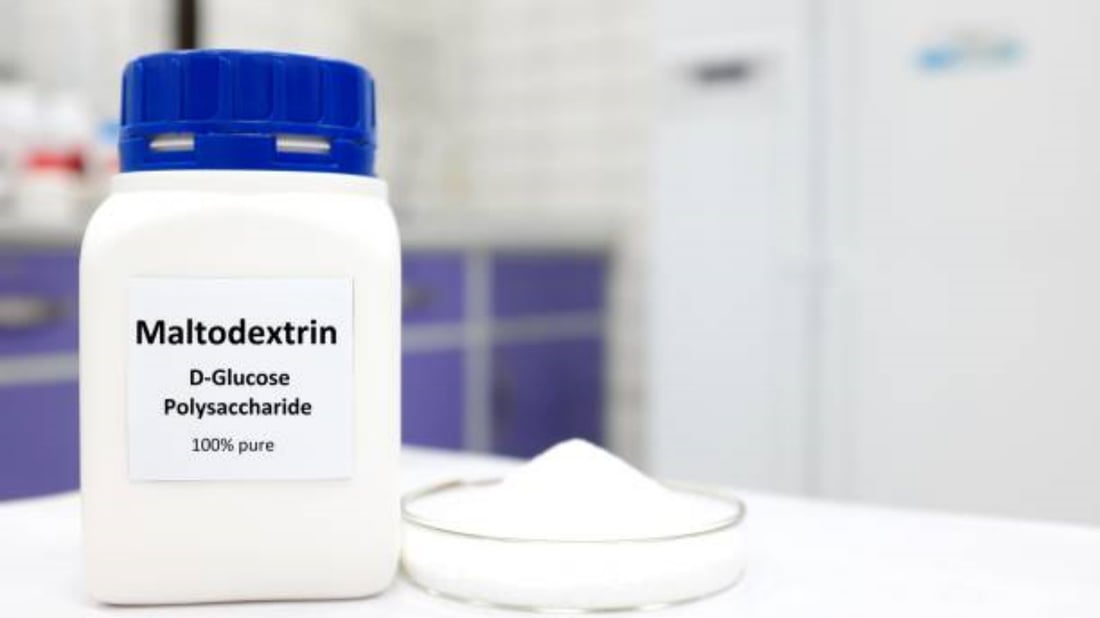
Understanding Resistant Dextrin: Definition and Composition
Resistant dextrin is a type of soluble dietary fiber derived mainly from starch sources such as corn, wheat, or tapioca. Unlike regular dextrin, it resists digestion in the small intestine and ferments in the colon. This unique property makes resistant dextrin an important functional ingredient in food and nutrition. Chemically, it consists of glucose polymers with resistant bonds that prevent enzymatic breakdown, contributing to its health-promoting attributes.
Health Benefits: Improving Digestive Health
One of the primary benefits of resistant dextrin is its capacity to enhance digestive health. As a soluble fiber, it promotes beneficial gut microbiota by serving as a prebiotic substrate. This fermentation process produces short-chain fatty acids (SCFAs) like butyrate that support colonocyte health. Regular intake can alleviate constipation, improve stool consistency, and reduce symptoms related to irritable bowel syndrome (IBS).
Role in Blood Sugar Regulation
Resistant dextrin plays a significant role in glycemic control. Since it is resistant to digestion, it slows glucose absorption and reduces postprandial blood sugar spikes. This effect is particularly beneficial for individuals with type 2 diabetes or prediabetes. Scientific studies have also indicated that resistant dextrin supplementation improves insulin sensitivity over time.
Weight Management and Satiety Effects
Due to its fiber nature, resistant dextrin contributes to increased feelings of fullness and satiety, making it a valuable agent in weight management strategies. Consuming foods enriched with resistant dextrin can help control appetite, reduce caloric intake, and support gradual weight loss when combined with a balanced diet and exercise.
Impact on Lipid Profiles and Cardiovascular Health
Research has shown that resistant dextrin can positively influence lipid metabolism. Supplementation has been associated with reductions in total cholesterol, low-density lipoprotein (LDL) cholesterol, and triglycerides. These changes can reduce cardiovascular disease risk factors, making resistant dextrin a heart-healthy dietary addition.
Application in Functional Foods and Nutraceuticals
Resistant dextrin is widely used in the food industry as a functional ingredient due to its neutral taste and excellent solubility. It is added to beverages, dietary supplements, protein bars, and bakery products to increase fiber content without compromising texture or flavor. Its versatility enables manufacturers to create fiber-enriched products targeting health-conscious consumers.
Safety, Tolerability, and Recommended Intake
Generally recognized as safe (GRAS), resistant dextrin is well tolerated by most individuals when consumed within suggested limits. Excessive intake may cause mild gastrointestinal discomfort such as bloating or gas, especially if fiber intake is suddenly increased. Experts recommend gradual incorporation into the diet and typical daily doses ranging from 5 to 15 grams.
Comparison with Other Dietary Fibers
Compared to other fibers like inulin or psyllium husk, resistant dextrin offers superior solubility and minimal impact on food texture. It ferments more slowly, thereby providing a sustained supply of SCFAs. Unlike insoluble fibers, it does not promote stool bulk but improves gut environment through selective bacterial growth, positioning it uniquely among dietary fibers.
Emerging Research and Potential Therapeutic Uses
Ongoing studies investigate the potential of resistant dextrin in metabolic syndrome, immune modulation, and even mental health via the gut-brain axis. Early findings suggest that its prebiotic effects might help reduce systemic inflammation and improve overall metabolic markers, paving the way for future therapeutic applications beyond conventional nutrition.
Environmental and Economic Considerations in Production
The production of resistant dextrin typically involves enzymatic treatment of starch and drying processes, which are energy-intensive but resource-efficient compared to some other fibers. The use of agricultural by-products minimizes waste, enhancing sustainability. Increased demand for resistant dextrin has also stimulated innovation in cost-effective manufacturing, helping expand its availability globally.
Quote Inquiry
contact us