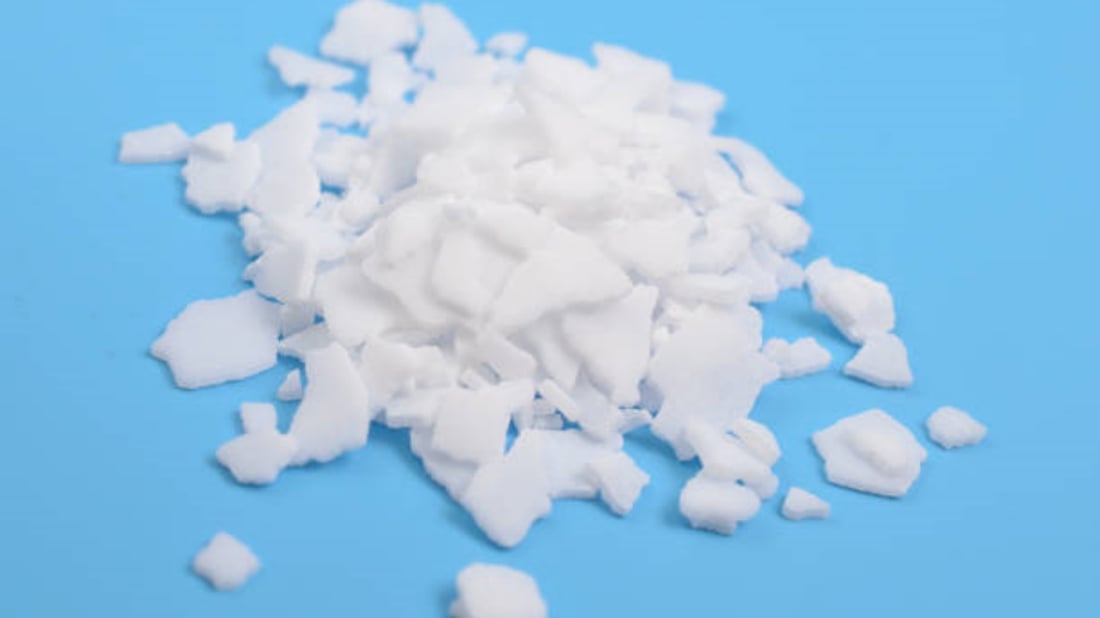
Polyethylene (PE) wax is widely used across numerous industries due to its unique physical and chemical properties. One of the most critical characteristics that define its functionality is the PE wax melting point. This property is a pivotal factor in determining the wax’s application scope, processing conditions, and overall performance. Accurate knowledge of the melting point ensures optimal use in manufacturing processes such as coatings, adhesives, and plastics modification.
Chemical Composition’s Influence on PE Wax Melting Point
The melting point of PE wax depends largely on its chemical structure, particularly the molecular weight and degree of branching. Low molecular weight polyethylene waxes tend to have a lower melting point, while higher molecular weight waxes exhibit higher melting points. Additionally, linear polyethylene waxes possess higher melting points compared to branched ones because of the closer packing of polymer chains, which increases crystallinity and thermal stability.
Methods for Measuring PE Wax Melting Point
Precision in measuring the melting point of PE wax is vital for quality control. Common methods include Differential Scanning Calorimetry (DSC), capillary tube method, and hot-stage microscopy. DSC is preferred for its accuracy and ability to provide detailed thermal transition profiles. These measurement techniques help manufacturers assess the suitability of a specific PE wax grade for their intended applications.
Typical Melting Point Ranges for Different PE Wax Types
PE wax melting points generally range between 85°C to 120°C depending on their grade and type. Low-density polyethylene (LDPE) wax typically melts around 85–105°C, whereas high-density polyethylene (HDPE) wax can range from 105–120°C. Understanding these ranges assists in selecting the appropriate wax for products requiring specific thermal resistance or process parameters.
Impact of Melting Point on Processing Techniques
The melting point of PE wax directly influences manufacturing processes such as extrusion, molding, and coating. A higher melting point wax may require elevated temperatures during processing, affecting equipment choice and energy consumption. Conversely, waxes with lower melting points offer ease of blending and faster curing times but may sacrifice thermal stability in end-use applications.
PE Wax Melting Point in Adhesive Formulations
In the adhesive industry, the melting point governs the softening behavior and setting characteristics of PE wax-modified products. A carefully balanced melting point ensures strong adhesive bonding while preserving thermal resistance. Waxes with melting points aligned to application temperatures provide controlled viscosity and tack, which are critical for effective adhesion.
Role of Melting Point in PE Wax’s Wear Resistance
PE waxes with higher melting points often contribute to enhanced wear resistance in coatings, inks, and plastics. The increased crystallinity linked to a higher melting point improves hardness and durability, offering protection against abrasion and environmental stress. This factor is essential for applications requiring longevity under mechanical strain.
Effect of Additives on PE Wax Melting Point
Additives such as plasticizers, fillers, and antioxidants can alter the PE wax melting point significantly. Plasticizers generally lower the melting point to improve flexibility at lower temperatures, while fillers may raise or stabilize it depending on their thermal properties. Understanding these interactions is crucial when formulating composite materials or specialized wax blends.
Environmental and Stability Considerations Related to Melting Point
The melting point also influences the environmental stability and degradation behavior of PE wax. Waxes with lower melting points may soften or degrade faster under elevated temperatures or sunlight exposure. Selecting a PE wax with an appropriate melting point reduces the risk of premature breakdown in outdoor or high-temperature environments, promoting product longevity and sustainability.
Future Trends in PE Wax Melting Point Optimization
Research continues to focus on customizing PE wax melting points through advanced polymerization and refining methods. Innovations aim to produce waxes with tailored thermal properties that meet specific industrial needs, such as improved recyclability, bio-based alternatives, and enhanced compatibility with novel polymers. These advances promise increased efficiency and environmental compatibility in PE wax applications.
Quote Inquiry
contact us