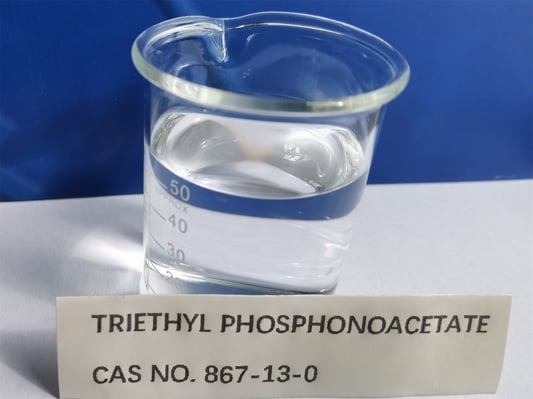
triethyl phosphonoacetate cas no. 867-13-0
IntroductionTriethyl phosphonoacetate (CAS No. 867-13-0) is a chemical compound that finds various applications in the fields of pharmaceuticals, agrochemicals, and organic synthesis. This informative article aims to provide a comprehensive guide to Triethyl phosphonoacetate, exploring its properties, uses, and potential benefits.Chemical PropertiesTriethyl phosphonoacetate is an organic compound with the molecular formula C8H15O4P and a molar mass of 206.18 g/mol. It appears as a clear, colorless liquid with a fruity odor. The compound has a boiling point of 185-186 °C and a melting point of -54 °C. It is soluble in organic solvents like ethanol, acetone, and benzene, but insoluble in water.Applications in PharmaceuticalsIn the pharmaceutical industry, Triethyl phosphonoacetate serves as a valuable intermediate for the synthesis of various drugs. It is commonly used in the production of antiviral and anti-inflammatory agents. Its versatile nature allows chemists to introduce phosphonate moieties into drug molecules, enhancing their biological activity and stability.Role in AgrochemicalsTriethyl phosphonoacetate also plays a significant role in the development of agrochemicals. It is widely utilized in the synthesis of herbicides, fungicides, and plant growth regulators. By incorporating phosphonate groups, these compounds exhibit improved efficiency and selectivity, contributing to sustainable agricultural practices.Organic Synthesis ApplicationsTriethyl phosphonoacetate finds extensive use in organic synthesis as a versatile reagent. It can be employed in various reactions, including the Horner-Wadsworth-Emmons reaction, Michael addition, and aldol condensation. Its ability to introduce phosphonate functionalities makes it a valuable tool for the construction of complex organic molecules.Safety ConsiderationsWhen working with Triethyl phosphonoacetate, it is important to prioritize safety. The compound should be handled in a well-ventilated area, and appropriate personal protective equipment, such as gloves and goggles, should be worn. It is also crucial to avoid inhalation and direct contact with the skin or eyes. In case of accidental exposure, immediate medical attention should be sought.Storage and HandlingTo ensure the stability and longevity of Triethyl phosphonoacetate, proper storage and handling practices should be followed. The compound should be kept in a tightly sealed container, away from direct sunlight and sources of heat. Additionally, it should be stored separately from oxidizing agents and strong acids to prevent any potential reactions.Environmental ImpactTriethyl phosphonoacetate is considered to have low to moderate toxicity to aquatic organisms. It is important to prevent its release into the environment, as it may have harmful effects on aquatic ecosystems. Proper disposal methods should be implemented, following local regulations and guidelines, to minimize any potential environmental impact.Regulatory StatusTriethyl phosphonoacetate is not listed as a hazardous substance by major regulatory bodies such as the United States Environmental Protection Agency (EPA) or the European Chemicals Agency (ECHA). However, it is essential to consult the specific regulations of each region or country before using or transporting the compound.ConclusionTriethyl phosphonoacetate (CAS No. 867-13-0) is a versatile compound with diverse applications in pharmaceuticals, agrochemicals, and organic synthesis. Its unique properties and ability to introduce phosphonate moieties make it a valuable tool for chemists. By understanding its chemical properties, applications, and safety considerations, researchers can harness the potential of Triethyl phosphonoacetate for various scientific endeavors.Quote Inquiry
READ MORE
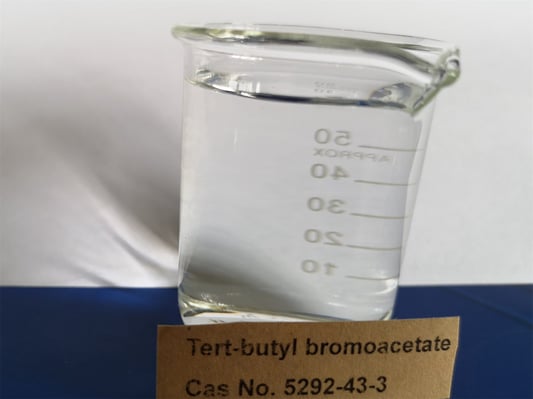
Tert-butyl bromoacetate Cas No 5292-43-3: A Comprehensive Guide
The Versatile Nature of Tert-butyl bromoacetate Cas No 5292-43-3Tert-butyl bromoacetate, with the chemical formula C6H11BrO2, and CAS number 5292-43-3, is a highly versatile compound that finds applications in various industries. This article aims to provide a comprehensive guide to understanding the properties, uses, and safety considerations associated with Tert-butyl bromoacetate.What Is Tert-butyl Bromoacetate?1. Chemical Properties of Tert-butyl bromoacetate Cas No 5292-43-3Tert-butyl bromoacetate is a colorless liquid with a distinct odor. It has a molecular weight of 195.06 g/mol and a boiling point of approximately 144°C. This compound is soluble in organic solvents such as ethanol and ether, but has limited solubility in water.2. Synthesis and Manufacturing of Tert-butyl bromoacetate Cas No 5292-43-3Tert-butyl bromoacetate can be synthesized through the reaction between bromoacetyl bromide and tert-butanol. This reaction takes place under controlled conditions and requires the use of appropriate safety measures. The manufacturing process involves several purification steps to ensure the desired purity of the final product.Applications of Tert-butyl BromoacetateTert-butyl bromoacetate finds significant applications in the pharmaceutical industry. It is commonly used as a reagent in the synthesis of various organic compounds, such as esters and amides. Additionally, it serves as a building block for the preparation of pharmaceutical intermediates, including antiviral and antifungal agents.In Pharmaceutical SynthesisTert-butyl bromoacetate is a key intermediate in the synthesis of a wide range of pharmaceutical compounds. Its reactivity with nucleophiles makes it suitable for constructing complex molecules with high precision.As a Building Block in Organic ChemistryIts utility extends beyond pharmaceuticals; it serves as a versatile building block in organic synthesis, enabling the creation of a variety of chemical structures and compounds with specific functionalities.Role in Agrochemical FormulationsThe agrochemical industry utilizes tert-butyl bromoacetate as an important intermediate for the synthesis of herbicides, insecticides, and fungicides. Its chemical properties make it suitable for the development of effective crop protection products. The compound's reactivity and stability contribute to the enhanced performance of these formulations.5. Contribution to Material ScienceTert-butyl bromoacetate also plays a crucial role in material science. It is utilized in the production of polymers, resins, and coatings. The compound acts as a cross-linking agent in the polymerization process, leading to improved mechanical properties and durability of the final materials. Its versatility makes it a valuable component in various industrial applications.Safety and HandlingStorage and HandlingProper storage conditions for tert-butyl bromoacetate involve keeping it in a cool, dry place, away from direct sunlight and sources of ignition. Handling should always be performed with appropriate protective gear to minimize exposure.Health and Safety PrecautionsDue to its reactivity and potential for irritation, stringent safety measures, including the use of gloves, goggles, and fume hoods, are recommended when working with tert-butyl bromoacetate.Storage and HandlingTert-butyl bromoacetate should be stored in a cool, dry, and well-ventilated area. It is advisable to keep it away from sources of heat, flame, and direct sunlight. The compound should be stored in properly labeled containers, and incompatible materials should be kept separate to prevent any potential reactions.Future Perspectives and ResearchThe versatility and wide-ranging applications of tert-butyl bromoacetate continue to drive research and innovation. Ongoing studies aim to explore its potential in the development of novel pharmaceuticals, agrochemicals, and advanced materials. Further research will contribute to expanding our understanding of this compound and unlocking its full potential.FAQs1. What is tert-butyl bromoacetate used for?Tert-butyl bromoacetate is primarily used as a reagent in organic synthesis, particularly in the pharmaceutical and agrochemical industries, due to its efficacy in facilitating complex chemical reactions.2. How is tert-butyl bromoacetate synthesized?The compound is synthesized through the reaction of tert-butyl alcohol with bromoacetyl bromide, requiring precise control over reaction conditions to achieve high purity.3. Is tert-butyl bromoacetate hazardous?Like many chemical compounds, tert-butyl bromoacetate poses certain hazards, such as irritation to the skin, eyes, and respiratory system. Proper safety protocols must be followed to mitigate these risks.4. Can tert-butyl bromoacetate be used in academic research?Yes, tert-butyl bromoacetate is widely used in academic research, especially in studies focused on organic synthesis and the development of new pharmaceuticals and chemicals.ConclusionTert-butyl bromoacetate (CAS No 5292-43-3) is a cornerstone in the synthesis of complex organic molecules, underpinning advancements in pharmaceuticals, agrochemicals, and polymer science. Its unique chemical properties, combined with its versatility as a reagent, underscore its importance in chemical synthesis and industry applications. However, the compound's reactivity and potential health hazards necessitate stringent safety protocols to mitigate risks. As research and development continue to evolve, the applications and understanding of tert-butyl bromoacetate will undoubtedly expand, further cementing its role in the advancement of science and technology.Quote Inquiry
READ MORE
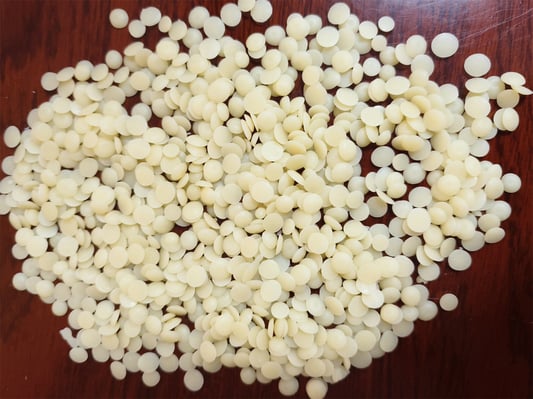
Exploring the Benefits and Uses of Sumac Wax
The Versatile Sumac Wax: A Natural WonderSumac wax is a natural substance derived from the berries of the sumac plant, scientifically known as Rhus spp. This wax is known for its unique properties and has been used for various purposes for centuries. In this article, we will delve into the many benefits and uses of sumac wax, exploring its diverse applications in different industries and its potential as a sustainable alternative to synthetic waxes.1. An Introduction to Sumac WaxSumac wax is extracted from the berries of sumac plants, which are native to various regions around the world. The wax is obtained by boiling the berries in water and then collecting the floating wax. After extraction, the wax is refined and processed to remove impurities, resulting in a pure and versatile substance.2. Natural and SustainableOne of the key advantages of sumac wax is its natural and sustainable nature. Unlike many synthetic waxes, which are derived from fossil fuels and contribute to environmental pollution, sumac wax is a renewable resource. The sumac plant grows abundantly in many regions, and its berries can be harvested without causing harm to the plant or its ecosystem.3. Cosmetic and Skincare ApplicationsSumac wax possesses excellent emollient properties, making it a popular ingredient in cosmetic and skincare products. It helps to lock in moisture, soothe dry skin, and create a protective barrier on the skin's surface. Sumac wax is often found in lip balms, lotions, creams, and other moisturizing products.4. Culinary Uses of Sumac WaxIn addition to its benefits in cosmetics, sumac wax also has culinary applications. Sumac berries are known for their tangy and citrus-like flavor, and the wax extracted from these berries can be used to enhance the taste of various dishes. It is commonly used as a natural food additive, adding a unique flavor to marinades, dressings, and spice blends.5. Sumac Wax in Candle MakingSumac wax is an ideal choice for candle making due to its low melting point and pleasant scent. It can be used as a standalone wax or blended with other waxes to create customized candles. The natural aroma of sumac wax adds a delightful fragrance to the candles, making them a popular choice among eco-conscious consumers.6. Industrial ApplicationsSumac wax finds various applications in the industrial sector. Its water-repellent properties make it an excellent choice for waterproof coatings and sealants. It is also used as a lubricant in certain machinery and equipment. The versatility of sumac wax makes it a valuable ingredient in the manufacturing of various industrial products.7. Sumac Wax for Leather CareLeather products require regular care to maintain their quality and appearance. Sumac wax is a natural and effective option for leather conditioning and polishing. It helps to nourish the leather, keeping it soft and supple while providing a protective layer against moisture and wear. Using sumac wax on leather products can extend their lifespan and enhance their beauty.8. The Potential of Sumac Wax in Green CleaningWith the increasing demand for eco-friendly cleaning products, sumac wax presents a promising opportunity. Its natural cleaning properties, combined with its ability to create a protective barrier, make it an excellent ingredient for green cleaning solutions. Sumac wax can be used in furniture polish, floor cleaners, and other household cleaning products.9. Sumac Wax as a Wood PreservativeWood requires protection from moisture, insects, and the elements to maintain its durability and appearance. Sumac wax can be used as a natural wood preservative, providing a protective coating that helps to prevent rot and decay. It is an eco-friendly alternative to chemical-based wood treatments and can be used for both indoor and outdoor applications.10. The Future of Sumac WaxAs awareness of the environmental impact of synthetic waxes grows, the demand for natural alternatives like sumac wax is expected to increase. Researchers and manufacturers are exploring ways to utilize sumac wax in various industries, including packaging, pharmaceuticals, and more. With its versatile properties and sustainable nature, sumac wax has the potential to revolutionize the world of natural materials.Quote Inquiry
READ MORE
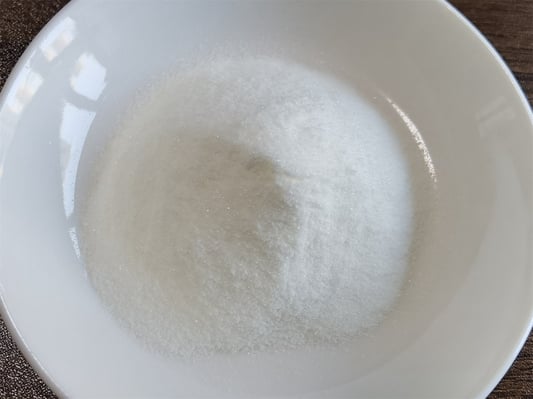
The Benefits of Resistant Dextrin: A Comprehensive Guide
Understanding Resistant DextrinResistant dextrin is a type of soluble dietary fiber that resists digestion in the small intestine and ferments in the large intestine. This process not only aids in digestion but also serves as a prebiotic, promoting the growth of beneficial gut bacteria. Derived from natural sources through the treatment of starch, resistant dextrin is a versatile ingredient that can be easily added to a variety of foods and beverages.Part 1. What is Resistant Dextrin?Resistant dextrin, also known as resistant maltodextrin or soluble corn fiber, is a type of dietary fiber that offers numerous health benefits. It is derived from starch and is made up of glucose molecules bonded in a way that resists digestion in the small intestine.Instead, it passes through to the large intestine, where it serves as a prebiotic, promoting the growth of beneficial gut bacteria.Part 2.The Importance of Gut HealthGut health has gained significant attention in recent years due to its profound impact on overall well-being. A healthy gut contributes to a strong immune system, efficient digestion, and even mental health. Resistant dextrin plays a vital role in maintaining and improving gut health by nourishing the beneficial bacteria in the intestine.Tips: Improved Digestive HealthResistant dextrin acts as a soluble fiber, adding bulk to the stool and promoting regular bowel movements. It can help alleviate constipation and promote a healthy digestive system. Additionally, its prebiotic properties support the growth of beneficial bacteria, which can aid in the digestion and absorption of nutrients.Key Benefits of Resistant Dextrin1. Promotes Digestive HealthResistant dextrin's prebiotic nature supports a healthy gut microbiome, crucial for optimal digestive health. It helps regulate bowel movements and prevent constipation, contributing to overall gastrointestinal well-being.2. Aids in Weight ManagementBy promoting a feeling of fullness and reducing overall calorie intake, resistant dextrin can be a valuable tool in weight management strategies. Its ability to moderate blood sugar levels also helps in controlling cravings and minimizing energy spikes and crashes.3. Supports Cardiovascular HealthRegular consumption of resistant dextrin has been linked to lower cholesterol levels, a risk factor for heart disease. It aids in reducing the absorption of cholesterol in the gut, thereby supporting cardiovascular health.4. Enhances Mineral AbsorptionResistant dextrin has been shown to enhance the absorption of essential minerals, such as calcium and magnesium, which are vital for bone health and overall metabolic functions.5. Regulates Blood Sugar LevelsFor individuals with diabetes or at risk of developing the condition, resistant dextrin can help manage blood sugar levels by moderating the absorption of glucose in the bloodstream.Added Pros behind Resistant DextrinCholesterol and Heart HealthStudies have shown that resistant dextrin may help lower LDL cholesterol levels, commonly known as "bad" cholesterol. It does so by binding to cholesterol in the digestive system and preventing its absorption into the bloodstream. By reducing LDL cholesterol levels, resistant dextrin may contribute to a healthier heart and a lower risk of cardiovascular diseases.Supporting a Healthy MicrobiomeThe human gut is home to trillions of bacteria that play a crucial role in various aspects of our health. Resistant dextrin acts as a prebiotic, selectively nourishing the beneficial bacteria in the gut. This, in turn, helps maintain a balanced and diverse microbiome, which is associated with improved digestion, enhanced immune function, and reduced inflammation.Enhancing Mineral AbsorptionResistant dextrin has been found to enhance the absorption of essential minerals, such as calcium and magnesium. By increasing the bioavailability of these minerals, it ensures that the body can utilize them effectively for various physiological processes, including bone health and muscle function.Managing Blood Lipid LevelsIn addition to its cholesterol-lowering effects, resistant dextrin has been shown to help manage overall blood lipid levels. It can reduce triglyceride levels, another type of blood fat that, if elevated, can increase the risk of heart disease. By promoting a healthy lipid profile, resistant dextrin contributes to cardiovascular health.Safe and Well-Tolerated Resistant DextrinResistant dextrin is generally safe and well-tolerated by most individuals. It is considered a non-digestible carbohydrate, meaning it does not contribute significant calories to the diet. However, it is essential to note that excessive consumption may cause gastrointestinal discomfort or bloating in some individuals. As with any dietary supplement, moderation is key.resistant dextrin, soluble corn fiber, resistant maltodextrin, gut health, digestive health, weight management, blood sugar control, cholesterol, heart health, microbiome, mineral absorption, blood lipid levels, weight loss, non-digestible carbohydrate The Benefits of Resistant Dextrin: A Comprehensive Guide Discover the numerous health benefits of resistant dextrin, including improved gut health, weight management, blood sugar control, and heart health. Learn how this prebiotic fiber can enhance your overall well-being.FAQs1. What is resistant dextrin?Resistant dextrin is a soluble dietary fiber derived from starch that resists digestion in the small intestine and ferments in the large intestine, acting as a prebiotic.2. How can resistant dextrin benefit my health?Resistant dextrin supports digestive health, aids in weight management, promotes cardiovascular health, enhances mineral absorption, and helps regulate blood sugar levels.3. How can I incorporate resistant dextrin into my diet?Resistant dextrin can be found in fiber supplements and is increasingly added to processed foods, beverages, and health products. It can also be included in home-cooked meals without altering the taste or texture of foods.4. Is resistant dextrin safe for everyone?While resistant dextrin is safe for most people, those with specific health conditions or dietary restrictions should consult with a healthcare professional before incorporating it into their diet.5. Can resistant dextrin help with weight loss?Yes, by promoting satiety and reducing overall calorie intake, resistant dextrin can be an effective component of a weight management program.ConclusionThe inclusion of resistant dextrin in the diet offers a multitude of health benefits, particularly for digestive and cardiovascular health, weight management, and blood sugar regulation. Its versatility and ease of use make it a convenient addition to any diet. As with any dietary change, it's recommended to consult with healthcare professionals to ensure it aligns with individual health needs and goals. Embracing resistant dextrin could be a simple yet impactful step toward a healthier lifestyle.Quote Inquiry
READ MORE
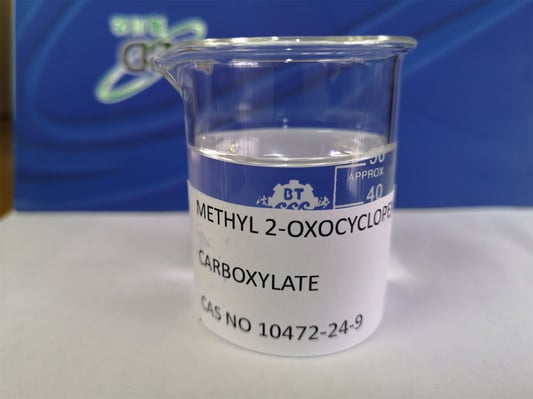
Methyl 2-Oxocyclopentane Carboxylate Cas No.10472-24-9: A Comprehensive Guide
The Basics of Methyl 2-Oxocyclopentane Carboxylate Cas No.10472-24-9Methyl 2-Oxocyclopentane Carboxylate Cas No.10472-24-9 is a chemical compound that falls under the ester category. It is widely used in various industries, including pharmaceuticals, agriculture, and research. This article will provide a comprehensive guide to this compound, exploring its properties, applications, and safety considerations.Properties of Methyl 2-Oxocyclopentane Carboxylate Cas No.10472-24-9Methyl 2-Oxocyclopentane Carboxylate Cas No.10472-24-9 has several important properties that make it valuable in different applications. It is a clear, colorless liquid with a molecular formula of C7H10O3. The compound has a molecular weight of 142.15 g/mol and a boiling point of approximately 212°C. It is insoluble in water but soluble in organic solvents like ethanol and acetone.Applications of Methyl 2-Oxocyclopentane Carboxylate Cas No.10472-24-9Methyl 2-Oxocyclopentane Carboxylate Cas No.10472-24-9 finds extensive use in the pharmaceutical industry. It is commonly employed in the synthesis of various drugs and intermediates. The compound acts as a versatile building block, allowing chemists to create complex molecular structures efficiently. Additionally, it is utilized in the production of agrochemicals, flavors, and fragrances.Synthesis of Methyl 2-Oxocyclopentane Carboxylate Cas No.10472-24-9The synthesis of Methyl 2-Oxocyclopentane Carboxylate Cas No.10472-24-9 involves a series of chemical reactions. One common method is the esterification of 2-Oxocyclopentanecarboxylic acid with methanol in the presence of a catalyst. The reaction is typically carried out under reflux conditions for several hours until the desired yield is achieved. Purification methods, such as distillation or recrystallization, may be employed to obtain a high-purity product.Safety Considerations for Methyl 2-Oxocyclopentane Carboxylate Cas No.10472-24-9When working with Methyl 2-Oxocyclopentane Carboxylate Cas No.10472-24-9, it is essential to follow proper safety protocols. The compound should be handled in a well-ventilated area, and personal protective equipment, such as gloves and safety goggles, should be worn. It is also crucial to avoid direct contact with the skin, eyes, and clothing. In case of accidental exposure, immediate medical attention should be sought.Storage and Handling of Methyl 2-Oxocyclopentane Carboxylate Cas No.10472-24-9Methyl 2-Oxocyclopentane Carboxylate Cas No.10472-24-9 should be stored in a cool, dry place away from direct sunlight and sources of ignition. It is recommended to keep the compound in a tightly sealed container to prevent moisture absorption and potential degradation. Proper labeling should be applied to the container, indicating the chemical name, Cas number, and any relevant hazard warnings.Environmental Impact of Methyl 2-Oxocyclopentane Carboxylate Cas No.10472-24-9The environmental impact of Methyl 2-Oxocyclopentane Carboxylate Cas No.10472-24-9 is a topic of concern. As with any chemical substance, it is crucial to handle and dispose of it responsibly. The compound should not be released into the environment without proper treatment. It is advisable to consult local regulations and guidelines for the safe disposal of Methyl 2-Oxocyclopentane Carboxylate Cas No.10472-24-9.Regulatory Status of Methyl 2-Oxocyclopentane Carboxylate Cas No.10472-24-9Methyl 2-Oxocyclopentane Carboxylate Cas No.10472-24-9 is a regulated chemical compound in many countries. Manufacturers and distributors must comply with relevant regulations and obtain necessary permits or licenses for its production, handling, and distribution. It is essential to stay updated with the latest regulatory requirements to ensure legal compliance.Future Trends and Research OpportunitiesContinued research and development in the field of Methyl 2-Oxocyclopentane Carboxylate Cas No.10472-24-9 are expected to uncover new applications and synthesis methods. The compound's unique properties make it an attractive candidate for further exploration. Researchers are likely to focus on optimizing its synthesis, improving its efficiency, and discovering novel uses in various industries.ConclusionMethyl 2-Oxocyclopentane Carboxylate Cas No.10472-24-9 is a versatile chemical compound with significant applications in pharmaceuticals, agriculture, and other industries. Its properties, synthesis methods, safety considerations, and regulatory status are crucial aspects to understand for anyone working with or considering the use of this compound. By following appropriate safety protocols and adhering to regulatory requirements, the potential benefits of Methyl 2-Oxocyclopentane Carboxylate Cas No.10472-24-9 can be harnessed effectively while minimizing any potential risks.Quote Inquiry
READ MORE